
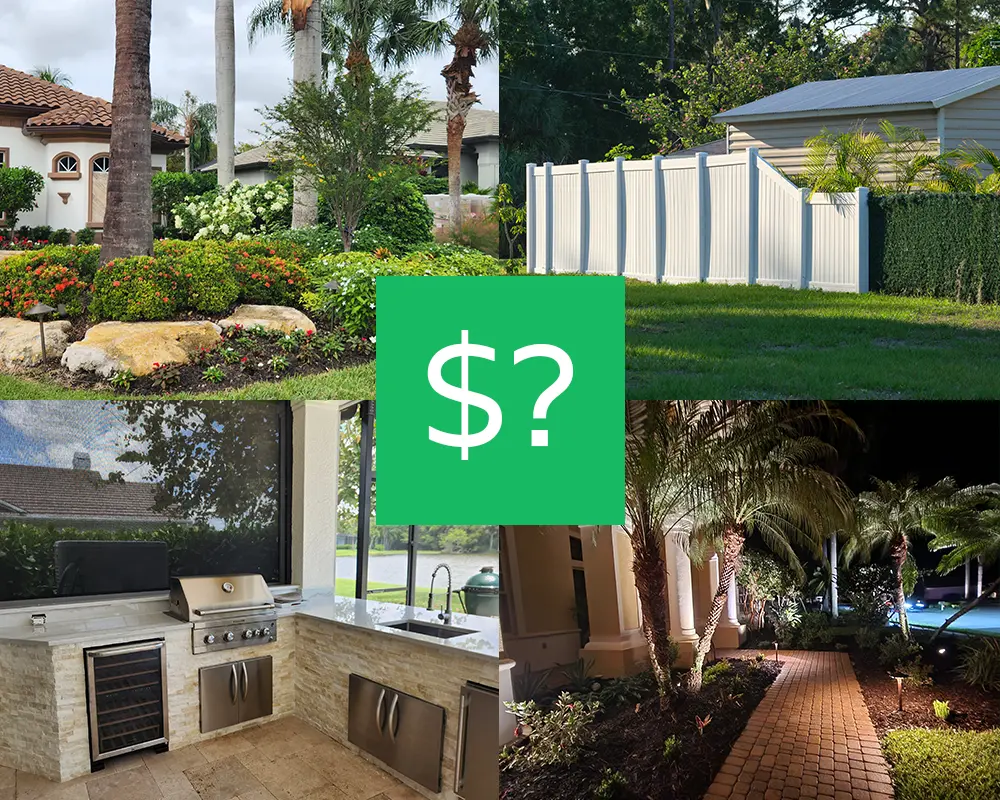
A beautifully landscaped property can make an ordinary home feel extraordinary. From lush tropical gardens and towering palms to elegant paver walkways and fully equipped outdoor kitchens, custom landscaping allows homeowners to transform their outdoor spaces into something that complements both their property and their lifestyle. In Naples, Florida, where outdoor living is an important part of everyday life, investing in professional landscape design can be particularly rewarding.
However, one of the first questions homeowners ask when considering a landscaping project is how much it will cost. The answer depends on the size of the property, the materials and plants selected, the complexity of the design, and whether additional features such as patios, outdoor kitchens, lighting, or fencing are included. A relatively simple landscape renovation may cost several thousand dollars, while a complete transformation of a luxury Naples property can easily exceed six figures.
For homeowners in Naples, custom landscape design and installation projects commonly fall into planning budgets of $5,000 to $50,000, with extensive luxury landscaping projects reaching $100,000 or more. These figures cover broad categories of projects rather than a single verified market average. Understanding what influences these costs can help homeowners establish realistic expectations and make informed decisions about their investment.
The Value of Investing in Custom Landscape Design
Custom landscaping offers much more than an attractive yard. A professionally designed landscape considers how the property will be used, how different features complement the home’s architecture, and how plants and materials will perform in Southwest Florida’s unique climate. The result is an outdoor environment that looks intentional, functions efficiently, and provides enjoyment for years to come.
For homeowners who plan to remain in their properties, landscaping can significantly expand the usable living space. A backyard that previously consisted of little more than grass and a few shrubs can become an inviting outdoor retreat with shaded seating areas, tropical gardens, decorative lighting, and spaces for entertaining. Well-placed trees and hedges can provide additional privacy, while walkways and patios create natural connections between different areas of the property.
Custom landscaping can be especially valuable for homeowners preparing to sell. In a market like Naples, where buyers often place considerable importance on exterior appearance and outdoor amenities, a property’s landscaping can influence its initial impression. An attractive entrance, healthy vegetation, well-maintained lawn, and thoughtfully designed outdoor spaces can make a home more appealing before a prospective buyer even walks through the front door.
While landscaping does not guarantee a specific increase in property value, it can improve marketability and help distinguish a property from competing listings. Buyers may also appreciate a landscape that appears professionally installed and easy to maintain, particularly when it includes established plants, functional irrigation, and durable hardscaping. For sellers, strategically improving highly visible areas of the property can be a worthwhile investment without necessarily requiring a complete landscape renovation.
What Factors Influence the Cost of Custom Landscaping in Naples?
No two landscaping projects are identical, which makes it difficult to establish a single average price. Even properties of similar size can have substantially different installation costs depending on their existing conditions and the homeowner’s design preferences. Understanding the major factors that influence pricing is essential when planning a custom landscape project.
1. Property Size and Landscape Layout
The size of the area being landscaped is one of the most significant factors affecting the overall cost. A small front yard may require only a limited selection of shrubs, ornamental plants, mulch, and irrigation adjustments, while a larger residential property could require extensive grading, hundreds of plants, mature trees, and multiple hardscaped areas. As the project grows, so do the quantities of materials, labor, equipment, and installation time required.
However, square footage alone does not determine the price. Properties with difficult access, uneven terrain, existing structures, or complicated drainage conditions may require additional preparation before installation can begin. For example, a waterfront property with limited equipment access may be more expensive to landscape than a similarly sized inland property with an open yard. These site-specific considerations are why an on-site evaluation is important before developing an accurate estimate.
2. Plant Selection and Maturity
Plant selection plays a major role in both the appearance and cost of a landscape. Smaller shrubs, groundcovers, and young palms are generally more affordable than large specimen trees and mature tropical plants. Homeowners who want an immediately established appearance may choose larger plants, but these selections often come with higher purchase prices and additional transportation and installation expenses.
For example, installing a mature palm may require specialized equipment and additional labor, while smaller container-grown plants can often be installed with a relatively small crew. The number of plants, their spacing, and the complexity of the planting design also influence the final cost.
Selecting plants appropriate for Southwest Florida’s growing conditions is equally important. Naples properties may experience intense sunlight, sandy or alkaline soils, heavy seasonal rainfall, and salt exposure near the coast. A professionally developed landscape plan accounts for these conditions when selecting trees, shrubs, palms, and groundcovers. Choosing suitable plants from the beginning can help reduce replacement costs and prevent unnecessary maintenance problems.
3. Materials and Hardscaping
Hardscaping refers to the permanent, nonliving elements of a landscape, including patios, walkways, retaining walls, decorative stone, and paver driveways. These features often represent a substantial portion of the project budget because they require both materials and skilled installation.
Material selection can significantly affect pricing. Standard concrete pavers are generally more affordable than premium natural stone or intricate custom patterns. Travertine, for example, is a popular choice for patios and pool decks in Naples because of its appearance, but its installation costs can be higher than those of basic concrete pavers.
The work beneath the finished surface is just as important as the material itself. Proper excavation, base preparation, compaction, and drainage are necessary to prevent shifting, settling, and premature deterioration. Although these steps may not be visible once the project is complete, they contribute significantly to the durability and longevity of the installation.
4. Irrigation, Drainage, and Landscape Lighting
A successful landscape design must account for more than plants and decorative features. Irrigation, drainage, and lighting systems are essential components of many residential landscaping projects, particularly in Southwest Florida.
Irrigation systems help ensure that different planting areas receive appropriate amounts of water throughout the year. This is especially important in Naples, where the climate shifts between a rainy season with frequent thunderstorms and a dry season with significantly less precipitation. A properly designed irrigation system can accommodate these changes while helping homeowners maintain healthy landscaping.
Drainage is another important consideration. Properties with poor grading or inadequate drainage may experience standing water, erosion, or saturated planting beds during heavy rainfall. Addressing these issues during the design phase can help prevent expensive repairs after installation.
Landscape lighting adds another dimension to the project by highlighting architectural features, illuminating walkways, and creating a more inviting atmosphere after sunset. The cost depends on the number of fixtures, wiring requirements, control systems, and the complexity of the lighting design.
How Much Do Popular Backyard Upgrades Cost in Naples, Florida?
For many homeowners, custom landscaping is an opportunity to do more than replace plants or improve the lawn. Incorporating outdoor living features can transform a backyard into a functional extension of the home, creating additional space for dining, entertaining, and relaxation. These improvements can also influence the property’s appeal to future buyers.
The following estimates provide general budgeting ranges for popular outdoor improvements in Naples. Actual costs depend on project size, material selections, site conditions, permitting requirements, and installation complexity.
Paver Patios: $5,000 to $20,000+
A professionally installed paver patio provides a durable, attractive surface for outdoor furniture, dining areas, and entertaining spaces. In Naples, patios are particularly popular because they allow homeowners to enjoy the outdoors throughout much of the year. They can also serve as a foundation for additional features such as pergolas, outdoor kitchens, and fire features.
Paver installation in Naples commonly ranges from approximately $12 to $35 per square foot, with premium materials and complicated installations costing more. A 400-square-foot patio could therefore cost approximately $4,800 to $14,000 under typical conditions. The final price depends on the paver material, excavation requirements, base preparation, drainage, and whether the design includes decorative borders, steps, or integrated lighting.
Homeowners should also consider how the patio will connect to the rest of the property. A well-designed patio should complement the home’s architecture, provide sufficient room for its intended use, and allow water to drain appropriately during heavy rainfall.
Outdoor Kitchens: $10,000 to $60,000+
Outdoor kitchens have become a desirable feature for Naples homeowners who enjoy cooking and entertaining outside. A basic installation may include a built-in grill, countertop, and storage cabinets, while more elaborate designs can incorporate refrigerators, sinks, side burners, bar seating, and extensive preparation areas.
A relatively simple outdoor kitchen may cost around $10,000 to $20,000, while larger custom installations can range from $25,000 to $60,000 or more. Appliance selection, cabinetry materials, countertop surfaces, plumbing, electrical work, and the overall size of the kitchen all contribute to the final price.
Because outdoor kitchens are continuously exposed to Southwest Florida’s humidity, heat, and occasional severe weather, material selection is particularly important. Cabinets, appliances, and fixtures should be designed for outdoor use, with additional consideration given to corrosion resistance on coastal properties. Proper planning also ensures that utilities, ventilation, and drainage are addressed before construction begins.
Privacy Fencing: $3,000 to $15,000+
Privacy fencing can provide homeowners with greater separation from neighboring properties while improving the functionality and appearance of their outdoor spaces. Fencing is also commonly installed to create secure areas for pets, define property boundaries, and complement new landscaping.
Depending on the material and installation requirements, residential fencing in Naples may cost approximately $25 to $80 per linear foot. A 150-foot installation could therefore range from around $3,750 to $12,000, with additional expenses for gates, specialized hardware, or difficult site conditions.
Vinyl, aluminum, wood, and composite fencing each offer different advantages. Vinyl is popular for its relatively low maintenance requirements, while aluminum provides a durable option for decorative fencing. Wood offers a traditional appearance but generally requires more maintenance in Florida’s humid environment. Before installation, homeowners should also review applicable property setbacks, local regulations, and homeowners association requirements.
Landscape Lighting: $2,000 to $10,000+
Landscape lighting can dramatically improve the appearance of a property after sunset while making outdoor areas more practical to use. Strategically positioned fixtures can illuminate walkways, highlight mature palms, accent architectural details, and create a comfortable atmosphere around patios and outdoor seating areas.
A smaller residential lighting project may cost approximately $2,000 to $4,000, while larger installations with numerous fixtures, extensive wiring, and advanced controls can exceed $10,000. The quality of the fixtures and installation is especially important in Southwest Florida, where moisture, salt exposure, and intense sunlight can contribute to premature deterioration.
Professional lighting design also considers how light is distributed throughout the property. Excessively bright fixtures, poorly positioned uplights, and inconsistent illumination can detract from the overall appearance rather than improve it. A thoughtful design creates balance while providing adequate visibility in the areas where it is needed.
Decorative Hardscaping and Walkways: $3,000 to $20,000+
Decorative hardscaping helps organize outdoor spaces and creates visual connections between different parts of a property. Walkways can lead visitors from the driveway to the front entrance, connect a patio to a garden, or provide access to a waterfront area. Retaining walls, decorative borders, and raised planting beds can also add structure and definition to the landscape.
The cost of these improvements varies considerably depending on the materials, dimensions, and amount of site preparation involved. A relatively straightforward paver walkway may cost a few thousand dollars, while projects involving extensive retaining walls, natural stone, or significant grading can exceed $20,000.
When planning hardscaping, homeowners should consider both appearance and long-term performance. Materials need to withstand Florida’s weather conditions, and surfaces should be designed with appropriate drainage and stable foundations. These considerations are especially important for walkways and patios that will experience regular foot traffic.
Why Hiring an Experienced Landscape Contractor Matters
Custom landscaping represents a significant investment, and the quality of the installation can have just as much influence on the finished result as the design itself. While choosing the lowest estimate may seem appealing, cutting corners during site preparation, material selection, or installation can create problems that become expensive to correct.
One of the most common issues with poorly planned landscaping is plant failure. Trees and shrubs may initially look healthy after installation but begin declining because they were planted too deeply, placed in unsuitable sunlight, or exposed to improper watering conditions. In some cases, the selected plants simply aren’t appropriate for the property’s soil or coastal environment. Replacing mature trees and large ornamental plants can be particularly expensive, making proper selection and installation essential.
Drainage problems are another concern throughout Southwest Florida. During the rainy season, heavy thunderstorms can deliver substantial amounts of water in a short period. If a landscape has been improperly graded or lacks adequate drainage, water may accumulate around planting beds, patios, and structures. Correcting these problems after the landscape is complete can require excavation, removal of hardscaping, and replacement of damaged vegetation.
Poorly installed patios and walkways can also develop problems over time. Inadequate base preparation or compaction may cause pavers to shift, settle unevenly, or create tripping hazards. Similarly, low-quality landscape lighting may experience electrical problems, corrosion, or premature fixture failure when exposed to Southwest Florida’s coastal conditions.
Hiring a reputable landscape contractor helps reduce these risks by ensuring that the project is evaluated and planned before installation begins. Homeowners should look for contractors with experience working in Southwest Florida, examples of completed projects, appropriate licensing and insurance for the work being performed, and a clear understanding of local environmental conditions.
What Is the Process for Designing and Installing a Custom Landscape?
A successful custom landscape project requires careful planning and coordination. Although the exact process varies depending on the size and complexity of the installation, most residential landscaping projects follow a similar sequence from the initial consultation through completion.
Step 1: Property Evaluation and Initial Consultation
The first step is to evaluate the property and establish the homeowner’s goals. Some homeowners want to improve curb appeal before selling, while others are interested in creating an outdoor entertainment area or completely redesigning an aging landscape. Understanding these priorities helps determine which improvements should be included and how the available budget should be allocated.
During the evaluation, the contractor examines the property’s dimensions, existing vegetation, sunlight exposure, soil conditions, drainage, and access limitations. Existing irrigation systems, underground utilities, and structures must also be considered. This information provides the foundation for a design that is both attractive and practical.
Step 2: Develop the Custom Landscape Design
Once the property’s conditions and the homeowner’s goals have been established, the design process can begin. A custom landscape plan typically identifies the placement of trees, palms, shrubs, planting beds, and hardscaping features. Depending on the project, it may also incorporate patios, outdoor kitchens, fencing, landscape lighting, and irrigation or drainage improvements.
An effective design considers how these different elements will work together. For example, the placement of a large palm should account for its mature size and proximity to nearby structures, while patio locations should consider sun exposure, privacy, and accessibility. The goal is to create a cohesive outdoor environment rather than a collection of unrelated improvements.
Step 3: Select the Materials and Finalize the Budget
With the overall design established, the next step is to select specific plants, materials, and finishes. This may involve choosing between different paver styles, selecting the size and variety of palms, determining the type of fencing, or comparing outdoor kitchen configurations.
These selections have a direct impact on the final project cost. A homeowner who prefers mature specimen trees and premium natural stone will generally have a higher budget than someone selecting younger plants and standard concrete pavers. During this stage, the contractor can help identify alternatives that achieve the desired appearance while remaining within the homeowner’s financial expectations.
A detailed proposal should outline the scope of work, major materials, installation requirements, and anticipated project costs. Any necessary permitting or homeowners association approvals should also be identified before construction begins.
Step 4: Prepare the Property for Installation
Before new landscaping can be installed, the site must be properly prepared. Depending on the project, this may involve removing existing vegetation, clearing debris, excavating soil, adjusting grades, and addressing drainage issues. Areas designated for patios, walkways, and other hardscaping features must also be prepared for their foundations.
Site preparation is one of the most important stages of the project because problems beneath the finished landscape can be difficult to correct later. Proper grading helps direct water away from vulnerable areas, while appropriate soil preparation supports healthy root development. Taking the time to address these conditions before installation can help prevent future maintenance problems.
Step 5: Install Hardscaping and Infrastructure
Once the site is prepared, the installation of structural features and underground systems can begin. Patios, walkways, retaining walls, outdoor kitchens, and other hardscaping elements are generally completed before the final planting stages. Irrigation lines, drainage systems, and underground electrical components may also be installed during this phase.
Completing this work first reduces the likelihood of damaging newly installed vegetation with construction equipment or excavation. It also allows the contractor to establish the finished elevations and boundaries of planting areas before trees, shrubs, and groundcovers are introduced.
Step 6: Install Plants and Complete the Landscape
With the structural components in place, the landscape begins taking its final shape. Trees, palms, shrubs, and ornamental plants are installed according to the approved design, with attention given to planting depth, spacing, sunlight, and irrigation requirements. Sod, mulch, decorative stone, and other finishing materials are then added to complete the appearance.
Newly installed plants require particular attention during their establishment period. Their root systems need time to expand into the surrounding soil, which often means more frequent watering during the first several weeks or months. Irrigation systems should be adjusted to accommodate these requirements, and homeowners should receive guidance on how to care for their new landscaping.
Step 7: Final Inspection and Ongoing Maintenance
After installation, the completed landscape should be inspected to confirm that the work matches the approved design and that major systems are operating correctly. Irrigation coverage, drainage performance, lighting operation, and the condition of newly installed plants should all be reviewed.
Although the installation may be complete, landscaping continues to develop over time. Plants grow, seasonal weather conditions change, and maintenance requirements evolve. Proper watering, fertilization, pruning, and routine inspections help protect the investment and allow the landscape to mature as intended.
How to Get the Most Value From Your Landscaping Investment
The most expensive landscape design isn’t necessarily the most effective one. Homeowners can often achieve excellent results by identifying the areas of their property that would benefit most from improvement and allocating their budget accordingly.
For someone preparing to sell a home in Naples, the front yard and entrance are often logical places to begin. Replacing overgrown shrubs, refreshing planting beds, installing healthy palms, and improving walkway lighting can create a more attractive first impression. Buyers may also appreciate clean, functional outdoor spaces that don’t appear to require immediate repairs or extensive maintenance.
Homeowners planning to remain in their properties may benefit more from improvements that enhance their daily lives. A covered seating area, outdoor kitchen, expanded patio, or privacy landscaping can make an existing backyard substantially more enjoyable. These features should be designed around how the space will actually be used rather than simply following current design trends.
It’s also important to consider the long-term cost of maintaining the landscape. Choosing plants suited to Southwest Florida’s climate, installing appropriate irrigation, and selecting durable hardscaping materials can help reduce unnecessary expenses over time. A well-planned landscape should remain attractive and functional as it matures, rather than requiring constant corrections or replacements.
Get a Custom Landscape Design Estimate in Naples, Florida
Custom landscape design is an opportunity to improve the appearance, functionality, and enjoyment of your property while potentially strengthening its appeal to future buyers. Whether you’re interested in a relatively simple landscape renovation or a complete outdoor transformation, understanding the factors that influence pricing is the first step toward developing a realistic budget.
At Overall Outdoor & Marine Services, we provide professional landscape design and installation services throughout Naples and Southwest Florida. Our capabilities extend beyond traditional landscaping to include paver patios, driveways, outdoor kitchens, fencing, landscape lighting, drainage solutions, and other outdoor improvements. By considering the entire property during the planning process, we can help homeowners create outdoor spaces where the different features complement one another.
Every property presents different opportunities and challenges, which is why a personalized evaluation is the best way to determine the scope and cost of a landscaping project.
Ready to transform your outdoor space? Contact Overall Outdoor & Marine Services today to discuss your custom landscape design project in Naples, Florida, and request an estimate.