
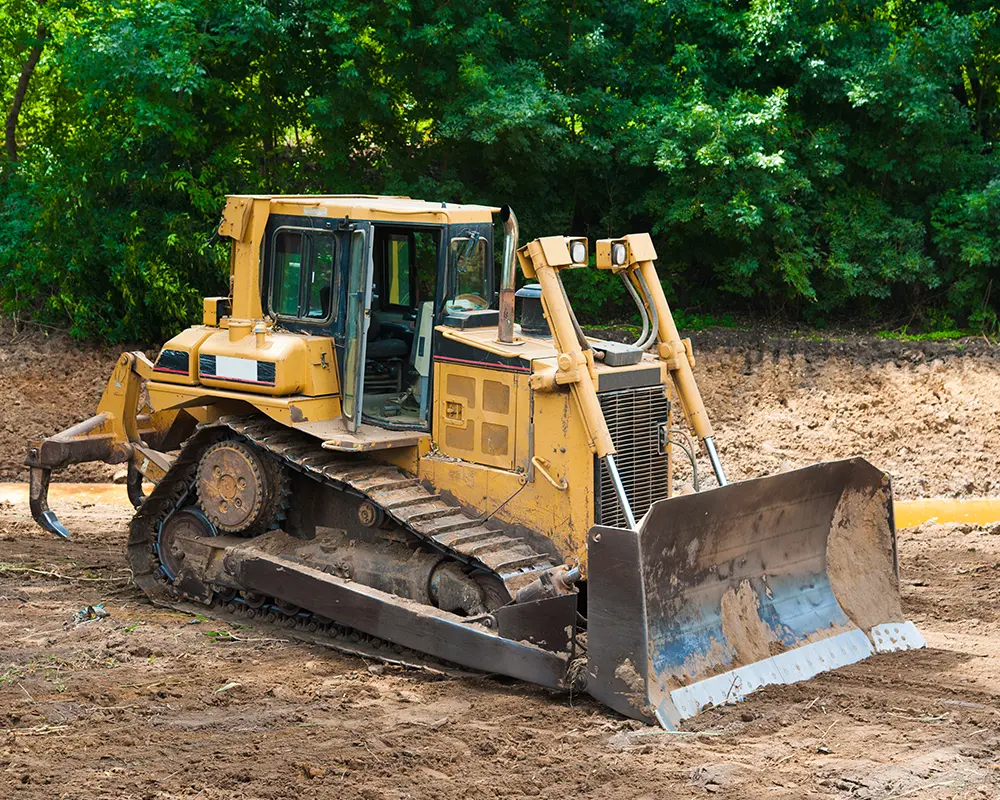
TL;DR
Before a foundation is poured, before concrete is placed, before a single wall goes up, sitework determines whether a project succeeds or struggles. Sitework includes land preparation, clearing, demolition, excavation, grading, drainage, utility installation, and foundation preparation. When done correctly, it creates a stable, build-ready site that saves time, money, and future repairs. When done poorly, it causes delays, structural issues, drainage failures, and costly rework. This guide explains what sitework is, why it matters, and how doing it right sets the tone for the entire build.
Introduction
Most construction problems do not start with the building.
They start with the ground.
A national construction study found that site preparation issues are one of the top causes of schedule delays and cost overruns on residential and commercial projects. That statistic surprises people because sitework is often invisible once the build is complete.
But ask anyone who has dealt with cracked slabs, standing water, sinking pavement, or utility failures and they will tell you the same thing.
If the site is wrong, everything above it suffers.
At Overall Outdoor & Marine Services, we treat sitework as the foundation of the entire project. Not just literally, but operationally. Sitework is where mistakes become permanent or where success becomes predictable.
If you are looking at an empty lot and planning to build, this is where it starts. Not with architectural finishes. Not with fixtures. Not with landscaping.
It starts with the dirt.
What Is Sitework, Really?
The Simple Definition
Sitework is everything that happens to a piece of land before vertical construction begins.
It is the process of turning raw land into a build-ready site.
If you have ever searched for:
- Land preparation
- Clearing land
- Excavation
- Grading
- Foundation preparation
- Utility installation
You were already searching for sitework. You just did not know the word yet.
What Sitework Includes
Sitework typically involves:
- Clearing vegetation and debris
- Demolition of existing structures if present
- Excavation and earthmoving
- Grading and leveling
- Drainage planning and installation
- Utility trenching and installation
- Soil compaction
- Foundation preparation
- Paving and concrete work
Each step builds on the one before it. Skip one or rush it, and problems follow.
Why Sitework Is the Most Important Phase of Construction
Because You Cannot Fix It Later
Once a building is on top of the ground, correcting sitework mistakes becomes expensive or impossible.
You cannot easily:
- Regrade soil under a slab
- Add drainage beneath a foundation
- Fix poorly compacted fill
- Reroute utilities buried incorrectly
That is why sitework must be done correctly the first time.
Because Everything Depends on It
The performance of a structure relies on:
- Stable soil
- Proper drainage
- Correct elevations
- Reliable utilities
Good sitework supports all of that. Poor sitework undermines all of it.
Step One: Land Clearing and Demolition
Clearing Is More Than Removing Trees
Land clearing is often misunderstood. It is not just knocking down vegetation.
Proper clearing includes:
- Removing trees and roots
- Eliminating organic material that will decay
- Clearing debris and unsuitable fill
- Preserving areas that should not be disturbed
Leaving organic material in the soil leads to settlement later. That settlement shows up as cracks, dips, and failures.
Demolition When Necessary
If there is an existing structure, demolition must be controlled and planned.
Good demolition:
- Removes all unsuitable material
- Protects surrounding properties
- Prepares the site for new grading
- Disposes of materials properly
Poor demolition contaminates soil and creates future instability.
Step Two: Excavation and Earthmoving
Excavation is Precision Work
Excavation is not just digging a hole. It is shaping the land intentionally.
This includes:
- Cutting high spots
- Filling low areas
- Preparing building pads
- Creating utility trenches
- Establishing finished grades
Every cut and fill must be planned with the final build in mind.
Balancing Cut and Fill
One of the goals of good sitework is minimizing imported fill and wasted material.
Balancing earth on site:
- Saves money
- Improves soil consistency
- Reduces settlement risk
This requires experience, not guesswork.
Step Three: Grading and Leveling
Why Grading Matters
Grading controls how water moves across the site.
Improper grading causes:
- Standing water
- Foundation saturation
- Soil erosion
- Pavement failure
Proper grading moves water away from structures and toward designated drainage areas.
Positive Drainage Is Non-Negotiable
Every site must shed water.
That means:
- Slopes away from buildings
- Defined drainage paths
- Proper elevations at foundations
If water does not know where to go, it will find the worst possible place.
Drainage: The Quiet Hero of Good Sitework
Why Drainage Fails So Often
Drainage is invisible once the job is done, so it is often underdesigned.
That is a mistake.
Poor drainage leads to:
- Foundation movement
- Mold and moisture intrusion
- Landscape failure
- Pavement cracking
Good drainage prevents all of it.
Drainage Systems Used in Sitework
Depending on the site, this may include:
- Storm drains
- Catch basins
- Swales
- French drains
- Underground piping
Drainage must be integrated with grading. One does not work without the other.
Soil Compaction and Hard-Packed Clean Earth
Compaction Is What Makes the Ground Trustworthy
Loose soil settles. Settling destroys structures.
Proper compaction:
- Eliminates air pockets
- Increases load bearing capacity
- Prevents future movement
This is done in controlled lifts using clean, suitable fill.
Why Clean Fill Matters
Not all dirt is equal.
Clean earth:
- Compacts properly
- Drains predictably
- Does not decompose
Unclean fill leads to long-term failure.
Utility Installation During Sitework
Utilities Must Be Planned Early
Utilities cannot be an afterthought.
During sitework, this includes:
- Electrical conduits
- Water lines
- Sewer lines
- Storm drains
- Communications infrastructure
Installing utilities after the fact leads to trenching through finished work. That costs time and money.
Why Coordination Matters
Utilities must align with:
- Building plans
- Finished grades
- Future paving
- Drainage systems
Good sitework coordinates everything before concrete is poured.
Foundation Preparation Starts With the Ground
The Foundation Is Only as Good as What Supports It
Whether it is a slab, stem wall, or deep foundation, preparation matters.
Foundation sitework includes:
- Final grading
- Compaction testing
- Vapor barrier preparation
- Subbase installation
Skipping steps here leads to cracks and movement later.
This Is Where Problems Are Born or Prevented
Most foundation issues are not design problems. They are sitework problems.
Paving and Concrete as Part of Sitework
Why Paving Starts Below the Surface
Driveways, sidewalks, and paved areas depend on:
- Proper subgrade
- Correct base material
- Drainage planning
Concrete poured over poor sitework will fail regardless of how good the finish looks.
Integrating Paving With Drainage
Water must move away from paved areas.
This requires:
- Correct slopes
- Proper joints
- Drainage inlets
Sitework sets the stage for durable pavement.
What Good Sitework Looks Like
Good sitework produces:
- Firm, compacted ground
- Proper elevations
- Defined drainage paths
- Clean utility runs
- Stable building pads
You may never see it once construction is complete. But you will feel it every day the structure performs the way it should.
Common Sitework Mistakes to Avoid
Rushing the Process
Sitework is often rushed to get to visible construction.
That is backwards thinking.
Ignoring Drainage
Water issues do not fix themselves.
Using Poor Fill Material
Cheap fill becomes expensive later.
Lack of Coordination
Sitework must align with the entire project.
Why Sitework Saves Money Long-Term
Good sitework:
- Reduces maintenance
- Prevents repairs
- Extends structure life
- Avoids litigation
It is one of the highest return investments in any construction project.
How We Approach Sitework
At Overall Outdoor & Marine Services, sitework is not just prep work. It is a critical construction phase.
We focus on:
- Proper planning
- Clean, compacted earth
- Integrated drainage
- Utility coordination
- Long-term performance
Our goal is simple. Make the ground ready so everything above it succeeds.
If You Are Starting with an Empty Lot
Start here:
- Evaluate soil and drainage
- Plan utilities early
- Design grading intentionally
- Prioritize compaction
- Prepare for the foundation
Everything else depends on these steps.
FAQ: Sitework
Sitework includes land preparation, clearing, excavation, grading, drainage, utilities, and foundation preparation before building begins.
Because it determines the stability, drainage, and performance of the entire structure.
Yes. Proper sitework includes installing utilities like storm drains and electrical conduits.
Often no, or only at high cost.
It depends on the size and complexity of the site, but rushing it leads to problems.
Yes. Demolition and clearing are often part of the sitework phase.